November 25, 2026
Tree care extends beyond simple maintenance tasks; it requires a comprehensive understanding of arboriculture and the specific needs of different tree species. By utilizing specialized techniques, tree care professionals can enhance the structural integrity and aesthetic appeal of trees. This article explores the essential and advanced services included in tree care.
Whether through regular pruning or strategic trimming, tree care services play a vital role in sustaining the urban forest. With 73% of Americans expressing a desire for more trees in their neighborhoods, according to Arbor Day, understanding these services is more important than ever. Proper tree management not only enhances property values but also contributes to environmental health by improving air quality and providing critical habitats for wildlife.
1. Tree Pruning
1.1. Definition and Purpose
Tree pruning is the process of selectively removing branches to improve a tree's structure and health. This practice is essential for correcting growth patterns, enhancing appearance, and eliminating potential hazards. Pruning helps maintain a tree's natural form, ensuring optimal light and air penetration throughout the canopy. By conducting regular pruning, trees can develop stronger limbs and increased resistance to storms. Furthermore, this proactive measure minimizes the risk of disease spread by eliminating infected or weak branches.
The primary purpose of pruning is to support healthy growth and prevent the development of structural problems. Trees that are regularly pruned tend to have fewer pest and disease issues, as the removal of weak or sickly limbs can prevent infections from spreading. Additionally, pruning enhances the aesthetic appeal of trees by shaping them into more pleasing forms, contributing to the visual harmony of landscapes. Arborists assess individual trees' needs and apply targeted pruning strategies to address unique growth patterns and specific site conditions. Regular pruning not only bolsters tree health but also ensures safety by reducing the likelihood of branch failures.
1.2. Types of Pruning Techniques
Various pruning techniques address the diverse needs of trees, each serving distinct purposes. Crown thinning is one such technique, which involves the selective removal of branches to reduce canopy density. The goal is to permit more sunlight and air to penetrate through the tree, which can reduce the risk of disease and promote healthier growth. This method is particularly beneficial for mature trees that may have become overly congested over time. By carefully thinning crowns, arborists can improve the overall vitality of trees and enhance their resilience against pests and diseases.
Another common technique is crown raising, which involves the removal of lower branches to elevate the tree's canopy. This is especially useful in urban or suburban areas where clearance is necessary for pedestrians, vehicles, or buildings. Crown reduction, on the other hand, reduces the size of a tree, which can be crucial for managing trees located in confined spaces. By shortening necessary branches, arborists balance the tree's size with its confined environment, preventing damage to surrounding structures. Such reduction also maintains a tree's aesthetic appeal while respecting urban space limitations.
1.3. Safety and Equipment
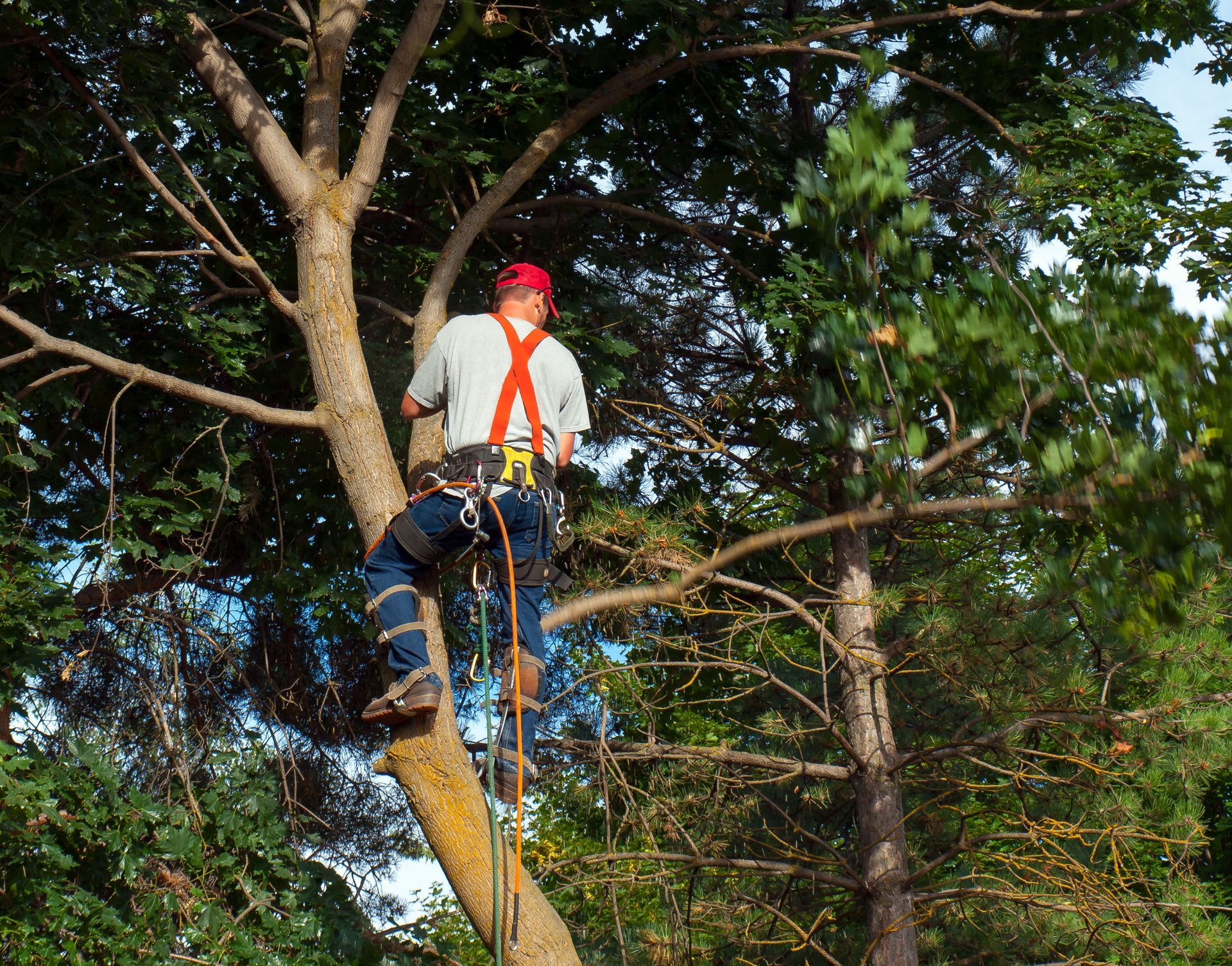
Safety is paramount in tree pruning, emphasizing the necessity of proper equipment and protocols to protect both arborists and property. Essential tools include hand pruners, loppers, pruning saws, and pole pruners, each suited for specific branch sizes and cuts. Protective gear such as hard hats, gloves, and safety glasses shields against potential injuries from falling branches or equipment mishaps. Ropes and harnesses are critical for climbing, especially in dealing with tall trees where stability and precision are key. Arborists undergo rigorous training to use these tools and equipment efficiently and safely, minimizing the risk of accidents.
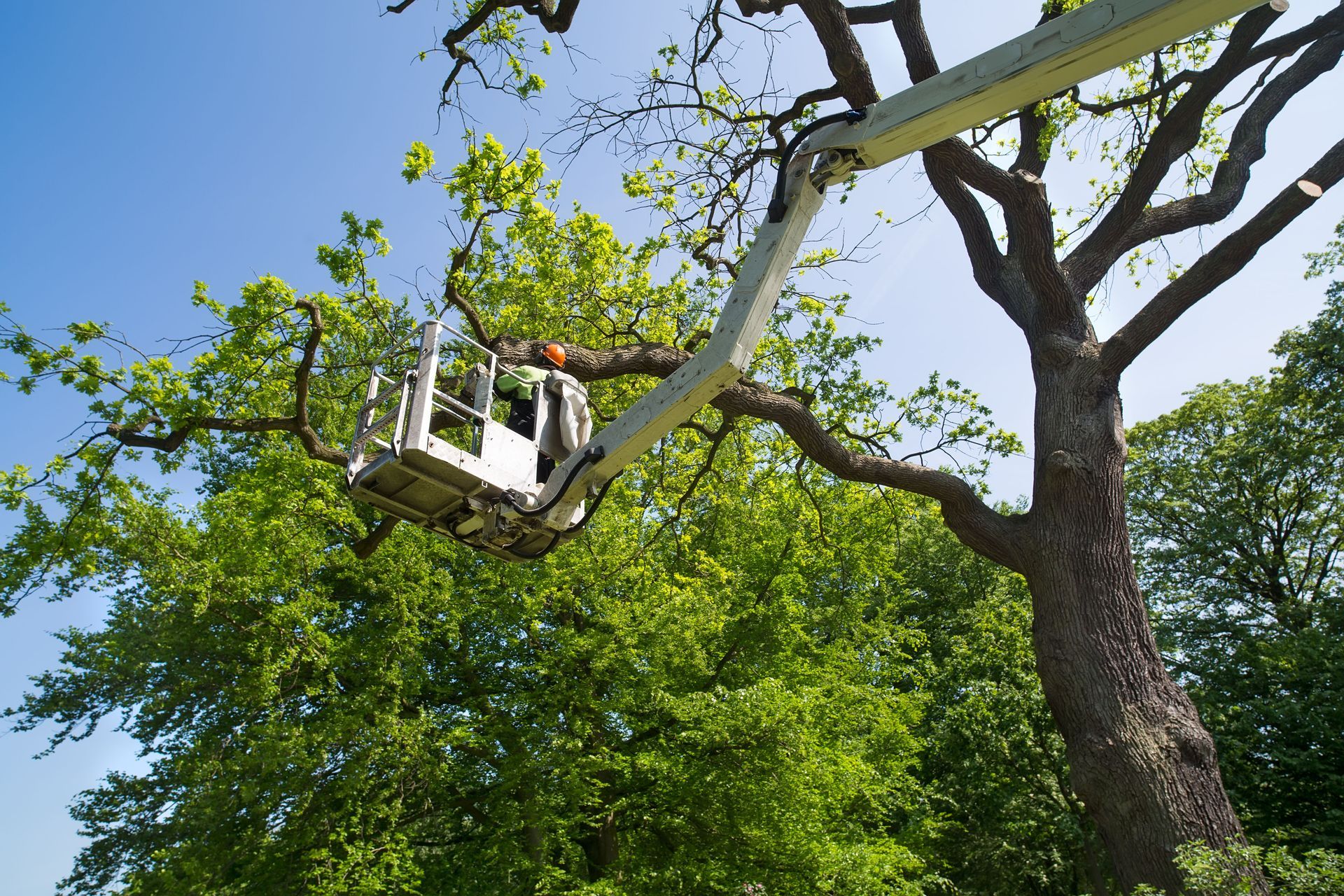
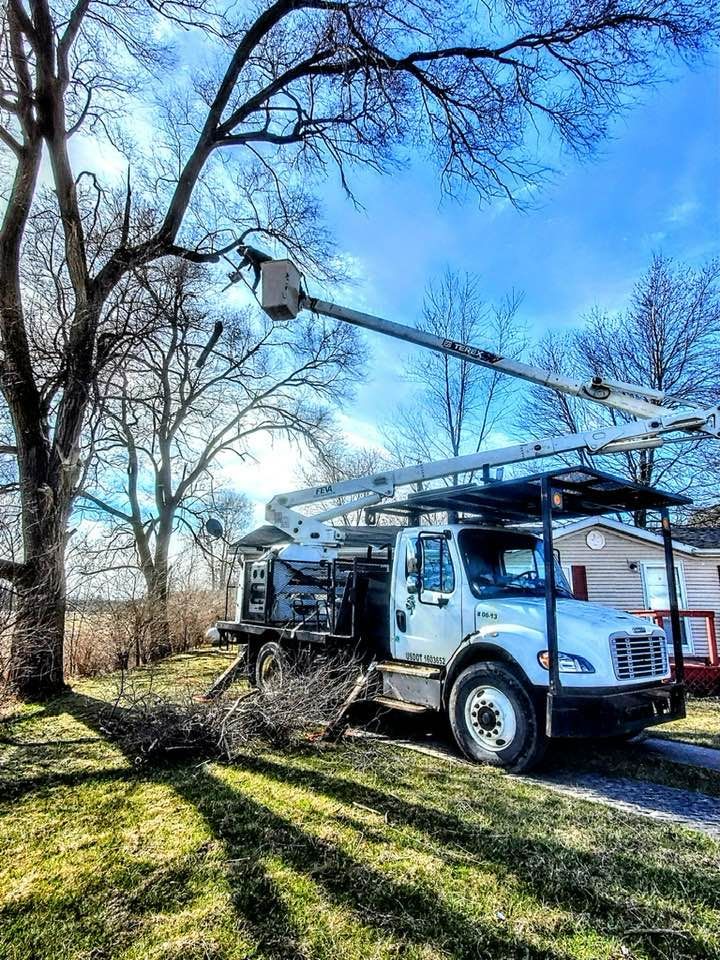
Moreover, identifying potential hazards is an integral aspect of the safety protocol, with professionals assessing trees and surroundings before undertaking any pruning activity. Securing the work area and using signage can prevent unauthorized access during operations, maintaining a safe environment for workers and bystanders. The use of mechanical lifts or cherry pickers may be warranted for large or difficult-to-reach branches, ensuring a stable platform for pruning tasks. Regular maintenance checks on equipment prevent malfunctioning and reliability issues, ensuring operations proceed smoothly. Professional arborists possess the expertise to execute these protocols, prioritizing safety at every project stage.
2. Tree Trimming
2.1. Purpose and Benefits
Tree trimming serves multiple purposes, primarily focusing on maintaining the health, aesthetics, and safety of trees and nearby properties. Regular trimming helps prevent overgrowth that can lead to structural weaknesses, thus increasing a tree's resilience to adverse weather. A well-maintained tree is not only visually appealing but also contributes to property value and environmental quality. Managing trees through regular trimming improves exposure to sunlight and airflow, essential components for photosynthesis and overall tree health. Properly trimmed trees are less likely to interfere with infrastructure like power lines, reducing potential hazards and promoting neighborhood safety.
The benefits of tree trimming extend beyond individual trees to the broader community, enhancing the urban landscape and contributing to ecological balance. By shaping trees according to specific aesthetic principles, trimming fosters a harmonious blend of natural shapes in landscapes. This approach can increase curb appeal, a crucial factor for real estate marketability, while providing inviting outdoor spaces for recreational use. Tree trimming also mitigates the risk of pest invasions or disease outbreaks that often stem from neglect, preserving long-term tree and property health. Homeowners who engage with professional tree trimming services invest in sustainable, flourishing green spaces that enhance their immediate environment.
2.2. Techniques for Aesthetic Enhancement
Tree trimming techniques for aesthetic enhancement primarily focus on shaping trees to achieve a desired appearance, aligning with the landscaping vision. Structural pruning is a technique that encourages a stronger, more visually pleasing tree architecture by guiding the tree's growth direction. This process focuses on establishing a central leader and balanced branch distribution, which enhances natural forms and stability. Rejuvenation pruning is another technique used on older trees to encourage new growth and restore a more youthful appearance. This method removes old, unproductive branches while encouraging vigorous new shoots, revitalizing the tree's aesthetics.
Artwork pruning or topiary is a specialized aesthetic technique creating specific shapes, often enhanced through trimming shrubs and small trees. This intricate process, often seen in formal gardens and landscapes, requires precision to maintain beauty and symmetry. Topiary techniques blend horticultural skills with artistic vision, producing living sculptures that captivate and charm. Achieving these effects requires detailed understanding of each species' growth patterns and skilled application of shearing techniques. Such creative methods not only beautify a space but also demonstrate the alluring versatility and potential within tree and shrub care.
2.3. Managing Overgrowth
Managing overgrowth through trimming is crucial for preventing potential issues related to safety, maintenance, and tree health. Uncontrolled overgrowth can lead to dense canopies that block sunlight and encourage fungal growth due to trapped moisture. The weight of excessive foliage also increases the likelihood of branch breakage during storms, posing hazards to property and personal safety. Routine trimming ensures that tree growth remains sustainable and well-balanced concerning available resources and existing site constraints. By controlling overgrowth, homeowners and arborists can prevent costly damage to structures and preserve the integrity of trees.
Moreover, managing overgrown trees is essential in urban scenarios where space is limited and utility lines are prevalent. Trees encroaching on power lines or structures can cause service interruptions or property damage, underscoring the importance of coordinated trimming efforts. Professionals skilled in vegetation management address these concerns while respecting tree health, optimizing the balance between utility infrastructure and natural growth. Controlled trimming allows for smooth cohabitation between human-made features and natural environments, reducing risk while preserving greenery. Arborists provide invaluable expertise in assessing overgrowth issues and laying out targeted trimming plans tailored to each setting's particular demands.
Tree care services are essential for maintaining the health, safety, and beauty of trees in urban and suburban settings. These services, provided by knowledgeable professionals, encompass a wide range of activities that ensure trees thrive and are free from hazards. Understanding what these services include can help homeowners make informed decisions about managing their trees. If you're looking for a reliable
tree care service, reach out to Sidonian Tree Service today!