November 22, 2026
Trees provide shade, improve curb appeal, and contribute to a healthier outdoor environment. However, even healthy-looking trees can develop problems that threaten their long-term condition or create safety hazards around a property. Recognizing early warning signs allows homeowners to address potential issues before they become more serious. Knowing when to invest in professional tree care services can help protect both your landscape and your home.
1. Recognizing Dead or Dying Branches
One of the most noticeable signs that a tree needs professional attention is the presence of dead or dying branches. These limbs may have brittle bark, missing leaves, discoloration, or a lack of new growth during the appropriate growing season. While an occasional dead branch is not necessarily a sign that an entire tree is unhealthy, widespread dieback may indicate a more serious problem.
Dead branches can become particularly dangerous when they extend over driveways, sidewalks, patios, or areas where people regularly gather. Strong winds, heavy rain, and snow can cause weakened limbs to break and fall unexpectedly.
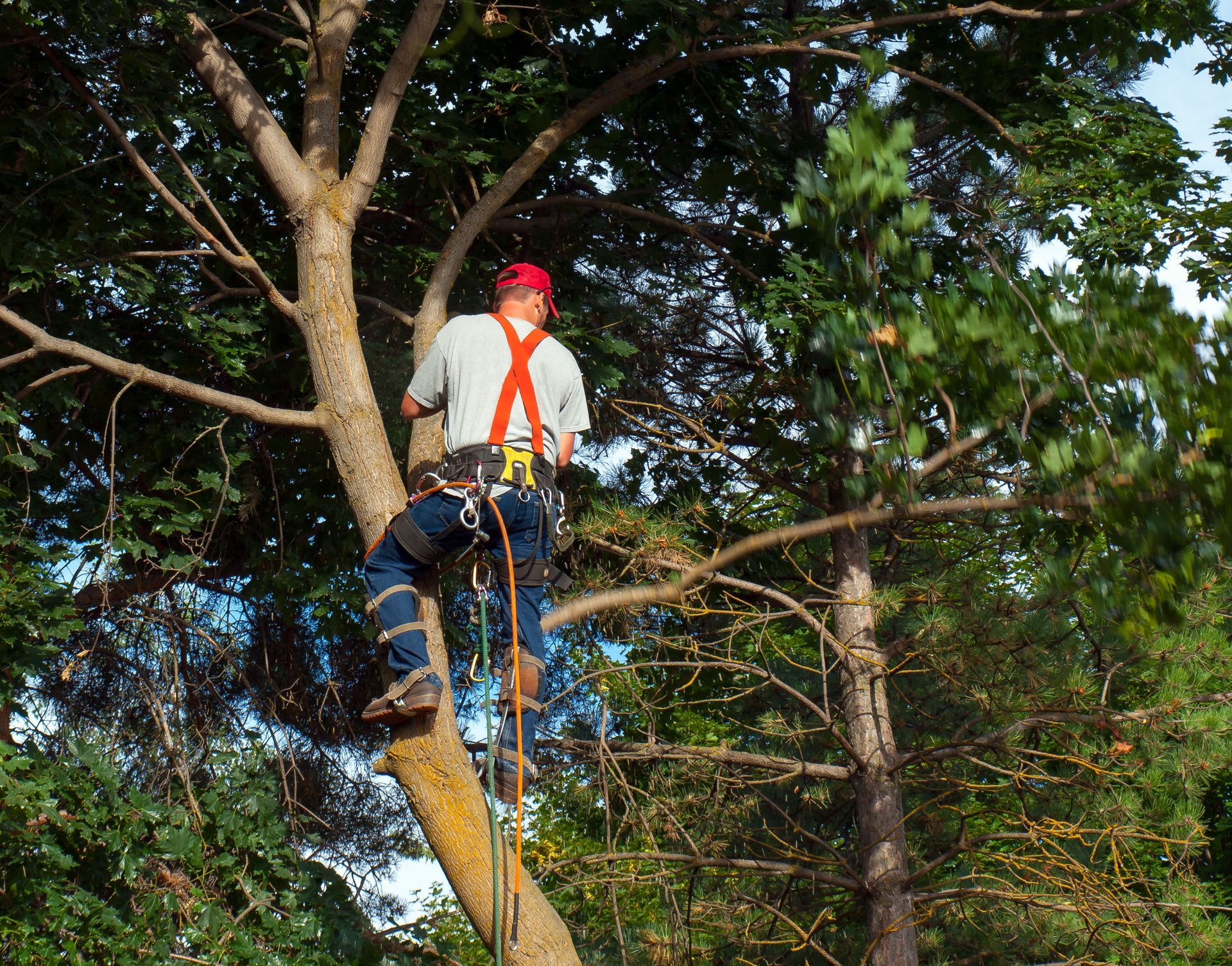
Professional pruning can help remove hazardous branches while preserving the tree's natural structure. Arborists can also evaluate surrounding growth to determine whether additional trimming or maintenance is necessary.
Homeowners should watch for:
- Large branches without leaves during the growing season.
- Brittle limbs that break easily.
- Deadwood concentrated throughout the canopy.
- Branches hanging over structures or frequently used outdoor areas.
Scheduling tree care services when these symptoms first appear can help prevent limbs from falling and causing injuries or property damage.
2. Identifying Cracks and Splits in the Trunk
A tree's trunk provides the structural support necessary to keep its branches and canopy upright. Cracks, deep splits, and damaged areas along the trunk can indicate structural weaknesses that deserve professional evaluation. Professional tree care services can help identify these concerns before they develop into more serious safety hazards.
Some cracks develop due to temperature fluctuations, rapid growth, or prior injuries. Others may result from internal decay, storm damage, or excessive weight placed on weakened sections of the tree. Regardless of the cause, significant trunk damage should not be ignored.
Homeowners should pay particular attention to cracks that extend vertically along the trunk, areas where bark is separating, and sections that appear hollow or deteriorated. These conditions may indicate that the tree's structural integrity has been compromised.
A professional assessment can help determine whether pruning, specialized support, or complete tree removal is the most appropriate solution. Sidonian Tree Service provides professional tree maintenance and removal services to help homeowners address potentially hazardous trees.
3. Noticing Sudden Changes in Tree Position
A tree that begins leaning unexpectedly may be experiencing root damage or instability. Although some trees naturally grow at an angle, a sudden change in position can indicate that the root system is no longer providing adequate support.
This problem frequently develops after severe weather, particularly when strong winds saturate the soil and place additional pressure on a tree's root structure. Homeowners may also notice raised soil, exposed roots, or cracks in the ground surrounding the base of the trunk.
These warning signs warrant immediate attention because an unstable tree can fall with little additional warning. Trees leaning toward houses, garages, fences, or power lines present particularly serious risks.
Do not attempt to straighten or secure a leaning tree yourself. Climbing, cutting, or applying tension to an unstable tree can make the situation more dangerous. Professional tree care services can evaluate the tree's condition and determine whether emergency removal or another corrective measure is necessary.
4. Examining Roots for Signs of Damage
A healthy root system is essential for providing trees with water, nutrients, and structural stability. Although many roots grow underground and remain out of sight, visible changes around a tree's base can reveal potential problems.
Exposed, damaged, or decaying roots may indicate that a tree is struggling to maintain its health. Construction activity, soil compaction, excessive moisture, and changes in surrounding landscaping can all affect root development. Damage to major supporting roots can also make a tree more vulnerable to falling during severe weather.
Homeowners should look for:
- Roots that appear cracked, soft, or decayed.
- Soil lifting or separating around the base of the trunk.
- Unusual fungal growth near exposed roots.
- Sudden changes in the tree's stability or appearance.
Professional tree care services can help determine whether root damage is affecting a tree's overall condition. An experienced professional can also evaluate whether surrounding conditions are contributing to the problem and recommend appropriate maintenance or removal.
5. Detecting Fungal Growth and Internal Decay
Fungal growth around a tree can indicate that its wood or root system is deteriorating. Mushrooms growing near the trunk, shelf-like fungi attached to the bark, and soft or discolored sections of wood may signal decay that requires further investigation. Professional tree care services can help identify the source of fungal growth and determine whether the affected tree poses a safety risk.
Although not every fungus poses an immediate threat, certain types can break down a tree's internal structure. This deterioration may weaken the trunk or major branches, making them more susceptible to breaking under pressure.
Other symptoms of potential decay include cavities, loose bark, unusual swelling, and areas where the wood feels soft. However, visible damage does not always reveal the extent of internal deterioration.
An experienced professional can evaluate these conditions and determine whether the tree can remain safely in place. Depending on the severity of the problem, recommendations may include deadwood removal, pruning, continued monitoring, or complete tree removal.
According to Marketresearchreports.com, the global winter tree care service market is projected to increase from US$ 386 million in 2025 to US$ 534 million by 2032. This projected growth reflects the importance of maintaining tree health and addressing seasonal risks through professional maintenance.
6. Observing Unusual Leaf Changes and Pest Activity
Changes in a tree's foliage can provide important clues about its overall health. Premature leaf loss, unusual discoloration, spotted foliage, and stunted growth may indicate environmental stress, disease, or insect activity.
Some trees naturally lose their leaves during certain seasons, but unexpected changes outside their normal growth cycles deserve attention. Homeowners should also examine branches and trunks for visible signs of insects, including holes in the bark, sawdust-like material, damaged leaves, and unusual webbing.
Pests can weaken trees by feeding on leaves, damaging bark, or disrupting the movement of water and nutrients. When infestations go unnoticed, the resulting stress may make trees more vulnerable to disease and environmental damage.
Professional evaluations can help identify potential causes of declining foliage and determine whether pruning or other maintenance is necessary. Regular inspections also make it easier to recognize developing problems before they affect larger portions of the tree.
Protecting Your Property With Professional Tree Maintenance
Recognizing the warning signs of unhealthy or unstable trees is an important part of maintaining a safe and attractive property. Dead branches, trunk damage, leaning growth, deteriorating roots, fungal activity, and unusual foliage changes can all indicate the need for professional attention. Addressing these concerns early can help homeowners avoid unexpected damage while preserving healthy trees whenever possible.
Sidonian Tree Service provides professional tree care services throughout Toledo, OH, and surrounding communities. With over 30 years of experience, the company offers tree pruning, trimming, deadwood removal, tree maintenance, stump grinding, and emergency tree removal. Contact Sidonian Tree Service today to request a free estimate and keep your property's trees healthy, attractive, and safe.